VIER ZITATE, SIE ZU KNECHTEN.
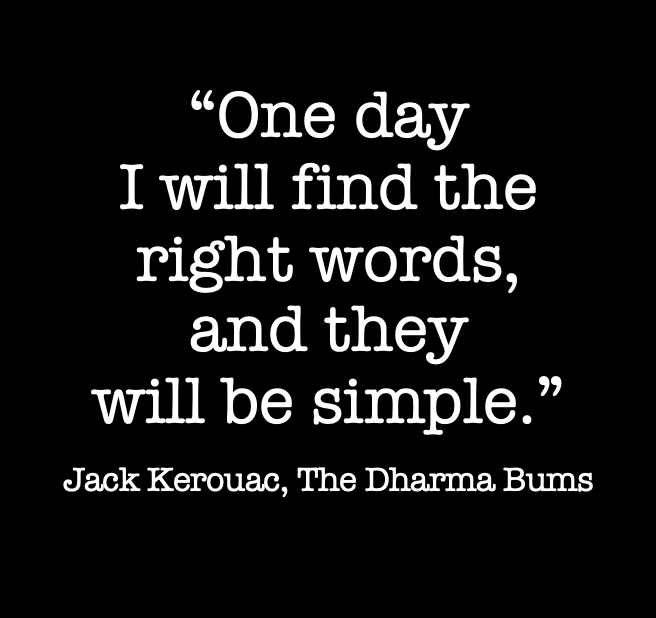
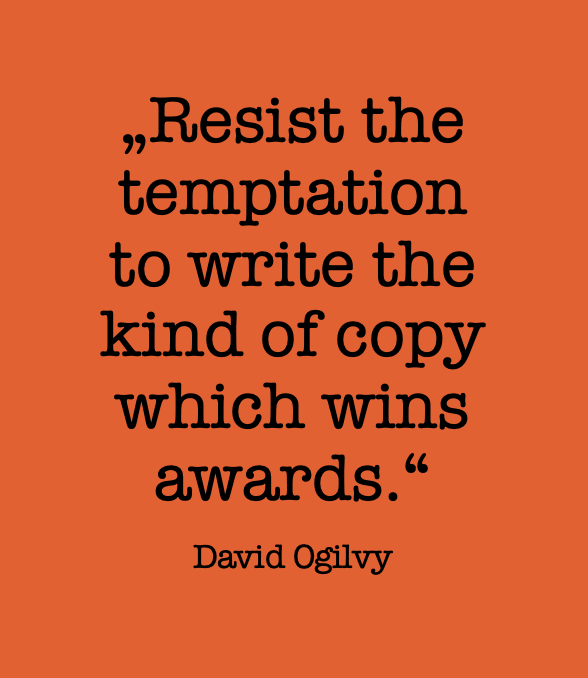
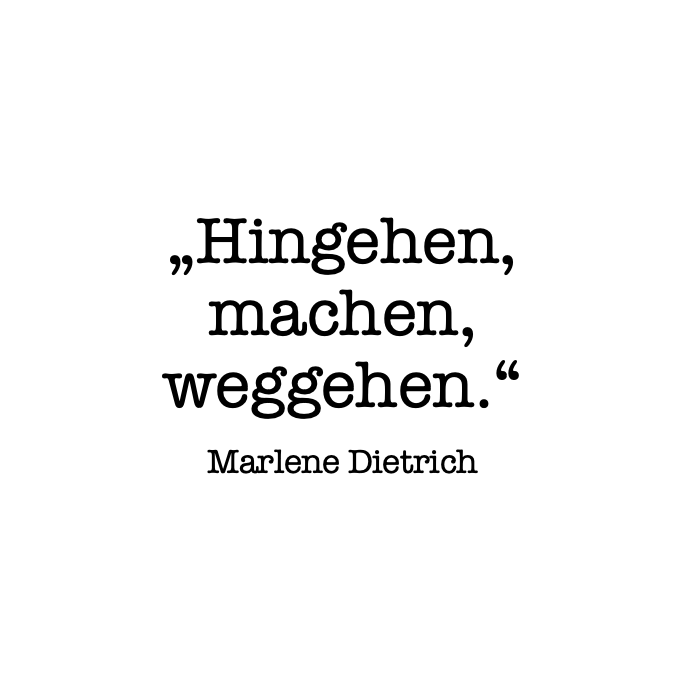
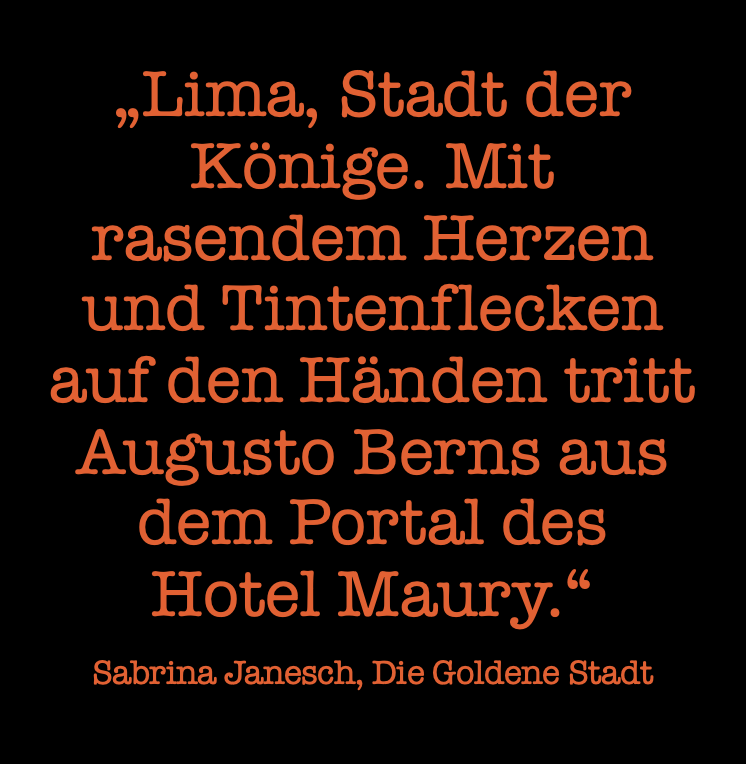
Für Jack Kerouac ist es die Suche nach den richtigen Worten. Einfach sollen sie sein, um den Text nicht zu überlasten. David Ogilvy umschreibt den Sinn und Zweck des Jobs: Schreibe, um zu verkaufen. Marlene Dietrich formuliert schnörkellos einen Pragmatismus, der nie verkehrt ist. Sabrina Janesch startet mit zwei Sätzen, die ihrer Erzählung den Weg ebnen. Die Tür in eine neue Welt öffnet sich; der Rhythmus wechselt; da ist dieses eine und deshalb gelungene Adjektiv. Mehrere Fäden sind ausgelegt, damit die Geschichte Fahrt aufnimmt. Und die H1 beantwortet, warum das Werbetexten Spaß macht: Arbeite mit dem, das dich im Leben umgibt, und spiele mit dem, was der Zeitgeist dir hinwirft.
OFT GENÜGT EINE NUANCE.
Wir bewarben eine Blitzer-Warnsoftware, die in Deutschland nicht zulässig ist. Die Lösung bestand in einer einfachen Frage: „Sind Sie oft im Ausland unterwegs?“ Die Rechtsabteilung hob den Daumen, die Zielgruppe war adressiert, der Absatz stieg – nur eine Nuance.

TEXTE & STORYTELLING
Sympathische und gut erzählte Geschichten machen Marken attraktiv und unverkennbar. Ich liefere sie für Pitches, Web-Auftritte, Bewegtbild und integrierte Kampagnen.

CORPORATE TONALITY
Fragmentierte Botschaften sollen sinnstiftend verbunden werden. Ich entwickle die Strategie, damit eine Marke über Worte wiedererkannt wird und Menschen eine Verbindung aufbauen.

AUSBILDUNG & SCHULUNGEN
Den Umgang mit Sprache als ein zentrales Mittel der Kommunikation schule ich in Unternehmen und Agenturen. Das Fundament einer Markenidentität entsteht oder wird erneuert.
TEXTE & STORYTELLING
Kreative Ideen und Geschichten machen Marken attraktiv und unverkennbar. Ich liefere sie für Pitches, Web-Auftritte, Bewegtbild und integrierte Kampagnen.
CORPORATE TONALITY
Ich forme aus fragmentierten Botschaften ein gesamthaftes Narrativ, damit eine Marke bei jedem Kontakt wiedererkannt wird und Menschen eine Verbindung aufbauen.
AUSBILDUNG & SCHULUNGEN
Ich schule Unternehmen und Agenturen in der Nutzung von Sprache als zentrales Mittel der Kommunikation, um das Fundament einer Marke nach innen und außen langfristig zu stabilisieren.



seit 1999 schreibe ich werbetexte.
Die Resonanz reichte von „geht runter wie Öl“ über „da fehlt irgendwie noch was“ bis „neuer Texter, neuer Text“. Der letzte Kommentar kam bei einem meiner ersten Jobs. Ich schrieb alles neu und das Urteil lautete: „Man merkt sofort, dass ein neuer Texter am Werk war.“ Drei Lektionen auf einmal: Alle können lesen; viele verwechseln Sprachgefühl und Bauchgefühl; Textkritik ist Tagesform. Genau der Nährboden, auf dem das Stammeln von Marken gedeiht.
Sechs Gebote gegen das Stammeln:
Worte sind stur, wenn sie einmal in Köpfen™ nisten.
Sprache ist mehr als Semantik + Syntax.
„In the age of information overload, the ultimate luxury is meaning and context.“
Louis Rossetto, WIRED, 1993
DIE HEILIGE DREIFALTIGKEIT DES GUTEN TONS.

Form
Wie formale Leitlinien die emotionale Wirkung eines Textes unterstützen.

Sprache
Welche Worte und Stilmittel für eine Marke stimmig sind und ihre Wirkung verstärken.
Inhalt
Mit welchen Botschaften eine Kampagne auf Produktebene schlüssig weitererzählt wird.

Agenturen
Je nach Projektphase lag die Verantwortung bei The Game und The Marcom Engine und liegt nun seit längerem bei Jung von Matt HH.

Worte erzeugen Bilder.
Na, das ist ja mal tiefschürfend. Dennoch wird es oft vergessen. Gute Texte verkaufen keine Produkte. Sie wecken Bilder im Kopf.
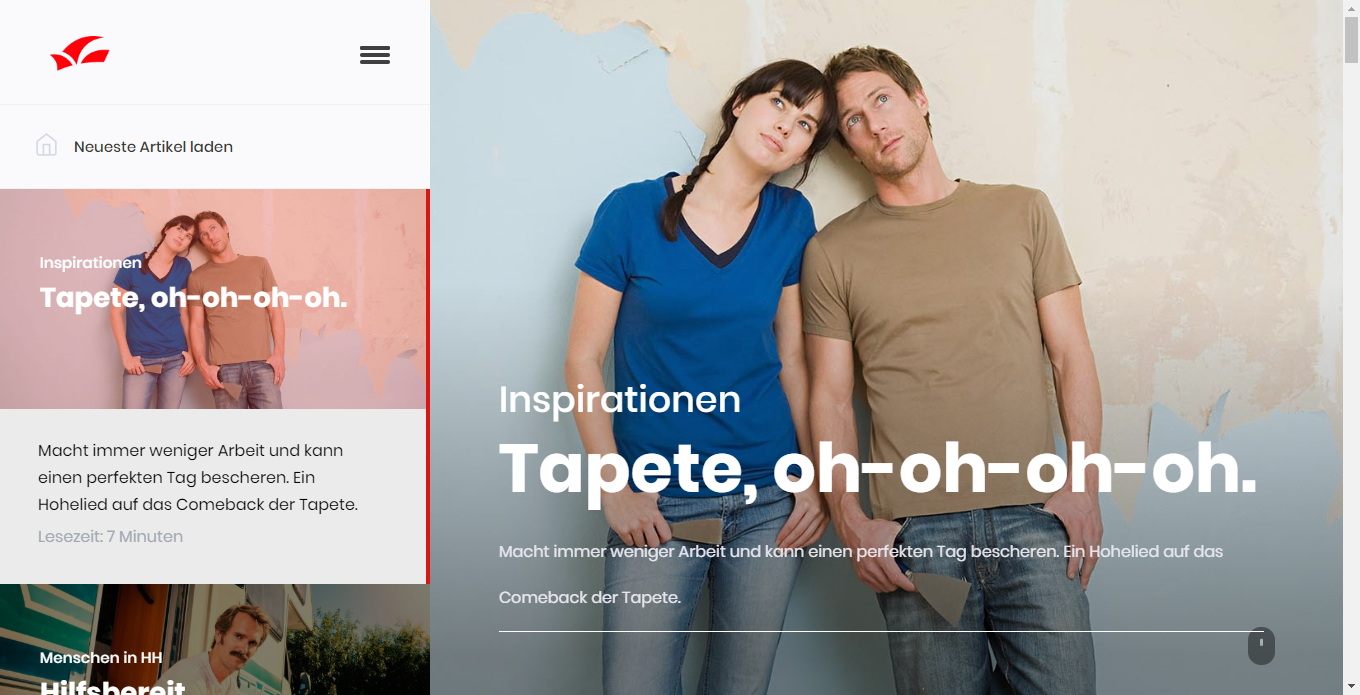
Wie viel lustiger die unscheinbaren Erlebnisse im Alltag mit den HaspaJoker Vorteilen sind. Geschichten aus dem Leben für eine Content-Marketing Kampagne.
Aufgaben: Texterstellung / Themenrecherche
Agentur: S-Markt & Mehrwert
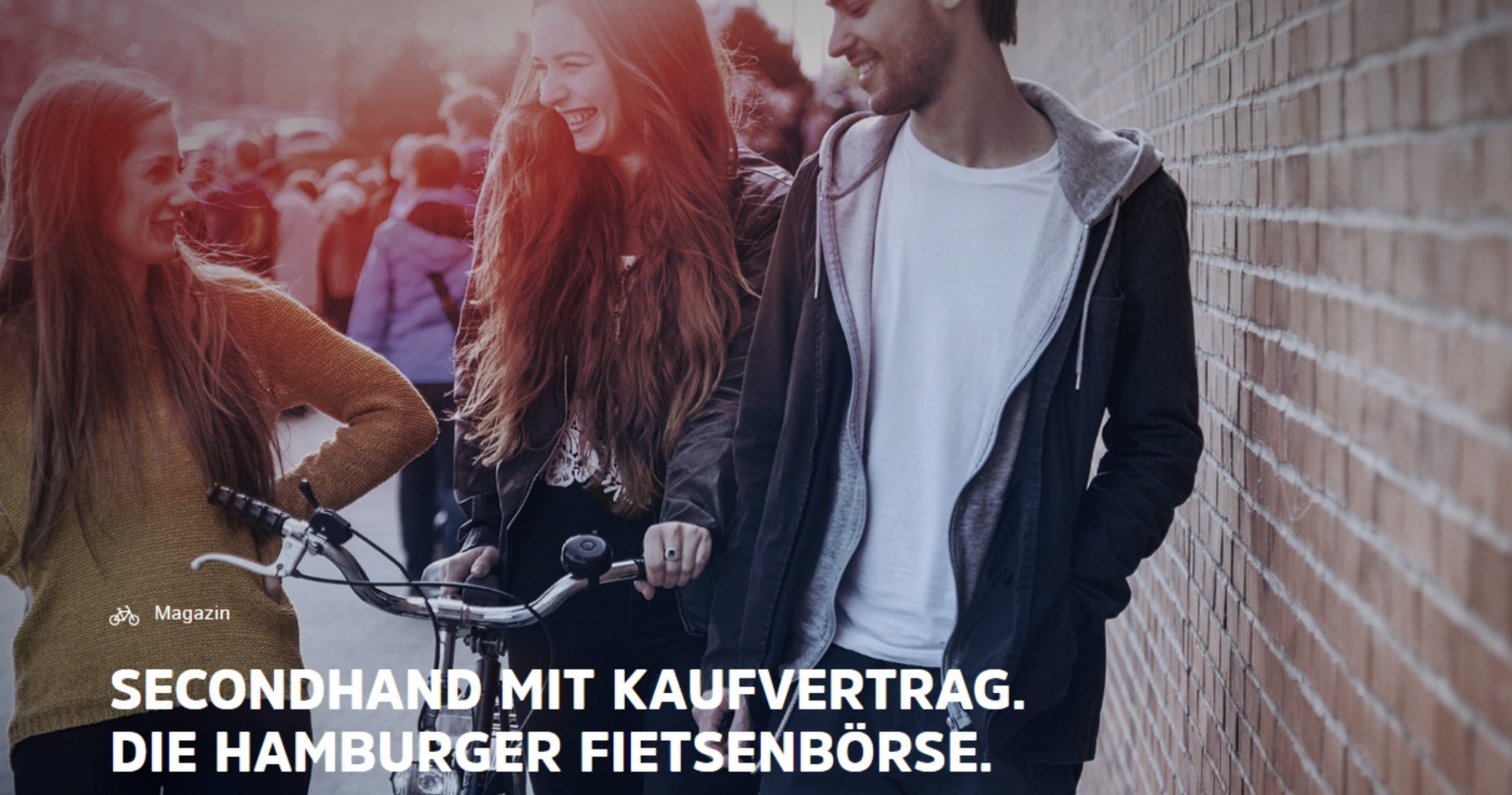
Hamburg wird Bikeburg: frische Artikel zum Start der Fahrrad-Kampagne „Fahr ein schöneres Hamburg“ im Auftrag des Hamburger Senats.

Aufgabe: Texterstellung
Agentur: Jung von Matt SPORTS
KI ist kein Werbetexter. KI ist ein Geschäftspartner.
Perfekte Syntax erzeugt die Illusion von Intelligenz.
Klingt ein Satz flüssig, glauben wir automatisch, dass die KI versteht, was sie sagt. Wer Texte nur von Software schreiben lässt, damit es schnell und günstig geht, und die Semantik vernachlässigt, sägt mit jedem Text am Markenbaum. Menschen mögen Resonanz und das Gefühl der Zugehörigkeit – eine Verbindung, die formelhafte Sprache nicht aufbaut. Ihre Wirkung entsteht durch Mehrdeutigkeiten, gezielte Brüche und das frische Wunder der Überraschung. Im Fluss permanenter Botschaften saufen leere Worte ab. Dramaturgie und Pointierung halten sie über Wasser. Außerdem schmiert KI ständig Honig ums Maul und sediert die Selbstkritik. Aber es ist möglich, sie zur wirksamen Sprache zu zwingen. Dafür braucht ein Unternehmen drei Säulen: Corporate Prompt Strategy (Kalibrierung); menschliche Kuratierung (Filterung); Mut zur Reibung (Haltung).


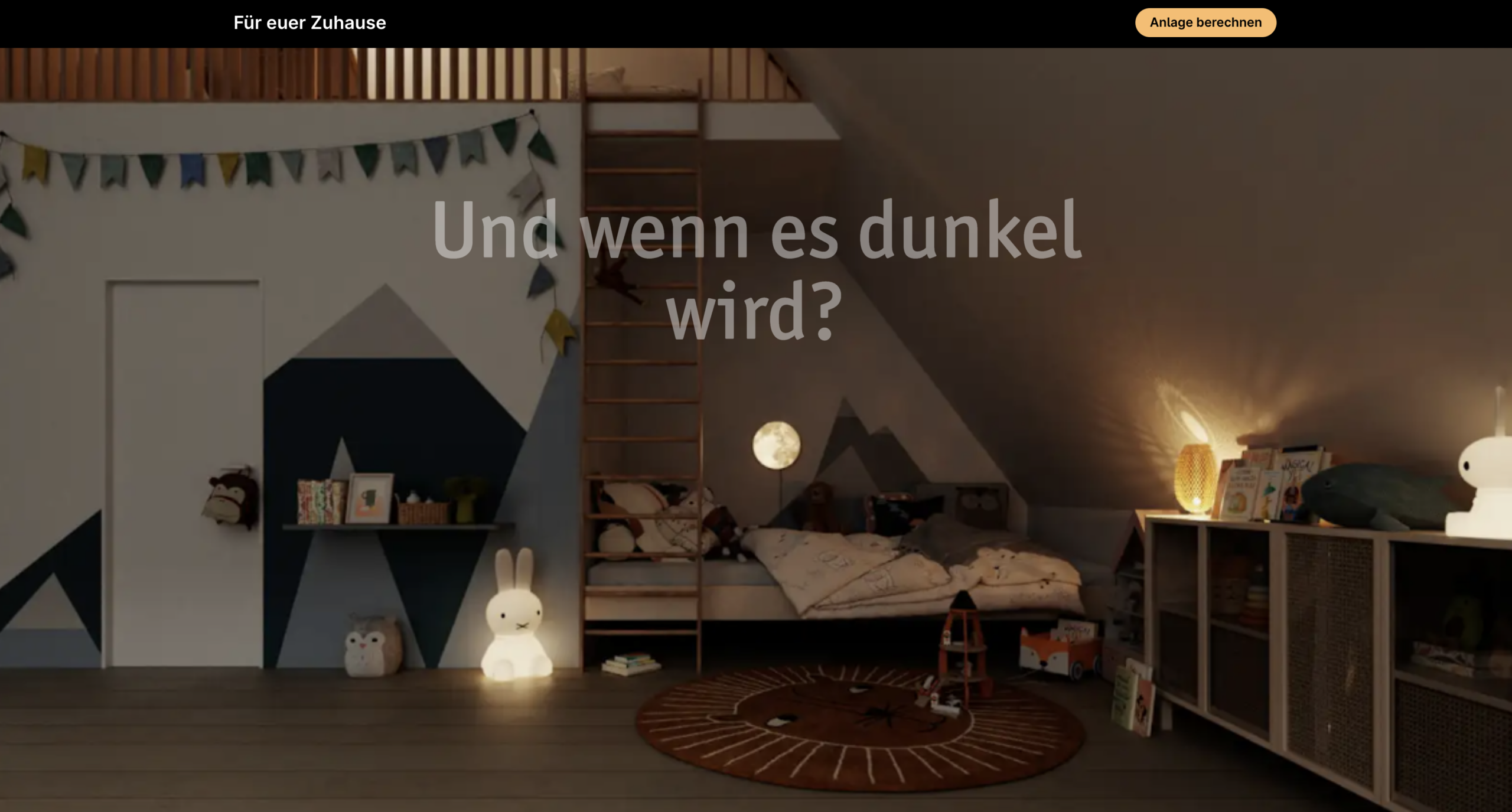
Wie sich das Leben zuhause mit einer Solar-Komplettlösung verändert. Natürlich zum Positiven. Eine Story zum Scrollen ohne Klick und doppelten Boden.

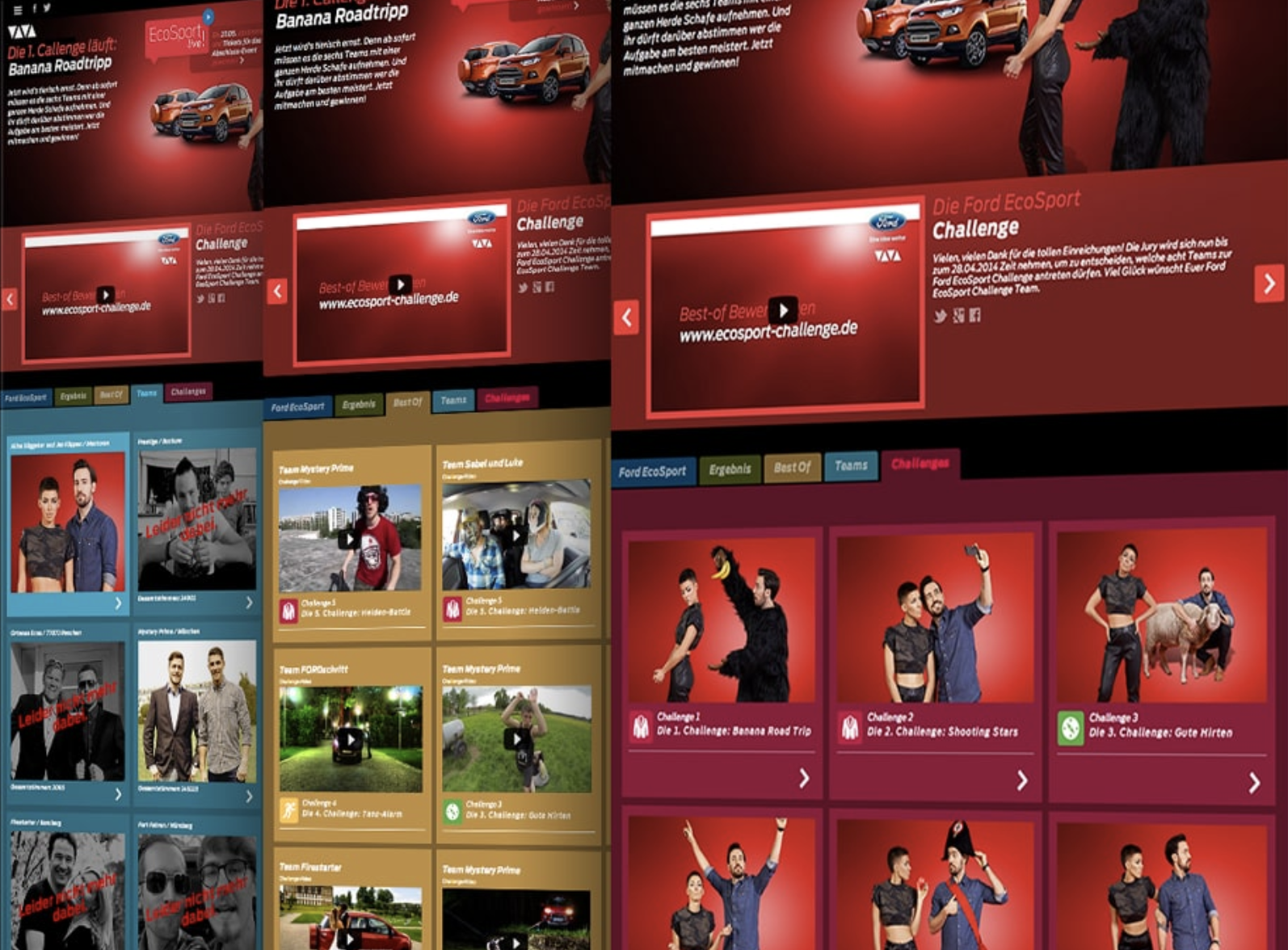
Fahre im Affenkostüm zum nächsten Supermarkt, kaufe alle Bananen und bringe sie im Ford EcoSport zum nächsten Zoo. Eine von zehn Herausforderungen, um das Auto zu gewinnen.

Aufgabe: Idee, Konzept, Texterstellung
Partner: Björn Halfmann
Agentur: Wunderman KÖLN
Gefühlte Kundenzufriedenheit:

Das Interesse jüngerer Menschen für Geldanlagen per Robo-Advisor in ETFs wecken. In leicht verständlichen Worten, ohne Finanz-Schnickschnack.

Geschichten, die vermitteln, dass es der Sparkasse als Sponsor des deutschen Breitensports auch mit dem Team D bei den Olympischen Spielen um mehr als Geld geht.


Vielen Dank für den Besuch.
Don't drink and drive.